
Table of Contents
- What is an AI sales chatbot?
- How an AI sales chatbot qualifies leads
- The high-signal questions to ask
- Intent scoring and routing to the right rep
- Booking meetings: why speed-to-lead wins
- Chatbot vs. a static web form
- What a sales chatbot should NOT do
- How to deploy one (and where SuperMIA fits)
- Frequently asked questions
Quick Answer
An AI sales chatbot is an always-on assistant that engages website visitors, qualifies them with a few high-signal questions, scores their intent, books meetings, and routes hot leads to the right rep - all synced to your CRM. Think of it as a speed layer for your sales team, not a robotic closer: it handles the first stage so reps spend their time on buyers who are already warmed up.
Key takeaways
- A sales chatbot qualifies inbound 24/7 - it doesn't close deals, it warms them up for reps.
- It qualifies with 3–4 high-signal questions, then scores intent against your ideal-customer profile.
- Speed-to-lead is the whole game: instant response dramatically beats "a rep will call you back."
- It books meetings and syncs leads to your CRM, so nothing falls through the cracks.
- Reported conversion lifts from conversational engagement commonly run ~20–35% over static forms.
What is an AI sales chatbot?
It's a chatbot pointed at your funnel instead of your help desk. Where a support bot deflects tickets, a sales bot works inbound demand: it greets high-intent visitors, qualifies them, and gets the good ones to a rep fast. SuperMIA's AI chatbot can play this role on your pricing, product, and demo pages. If you're still sorting the categories, the difference between chatbots and AI agents is a good primer.
The mental model that keeps expectations sane: a sales chatbot is a fast, always-on sales development layer - not a closer. It does the first stage brilliantly (qualify, answer, book) and hands the human moments to humans.
| What it does well | What it should NOT do |
|---|---|
| Qualifying inbound 24/7 | Run complex negotiations |
| Scoring intent + routing to reps | Quote bespoke / custom pricing |
| Booking meetings instantly | Give legal or compliance answers |
| Answering pre-sales questions | Replace your sales team |
How an AI sales chatbot qualifies leads
Qualification is the core job, and it follows a simple, configurable flow:
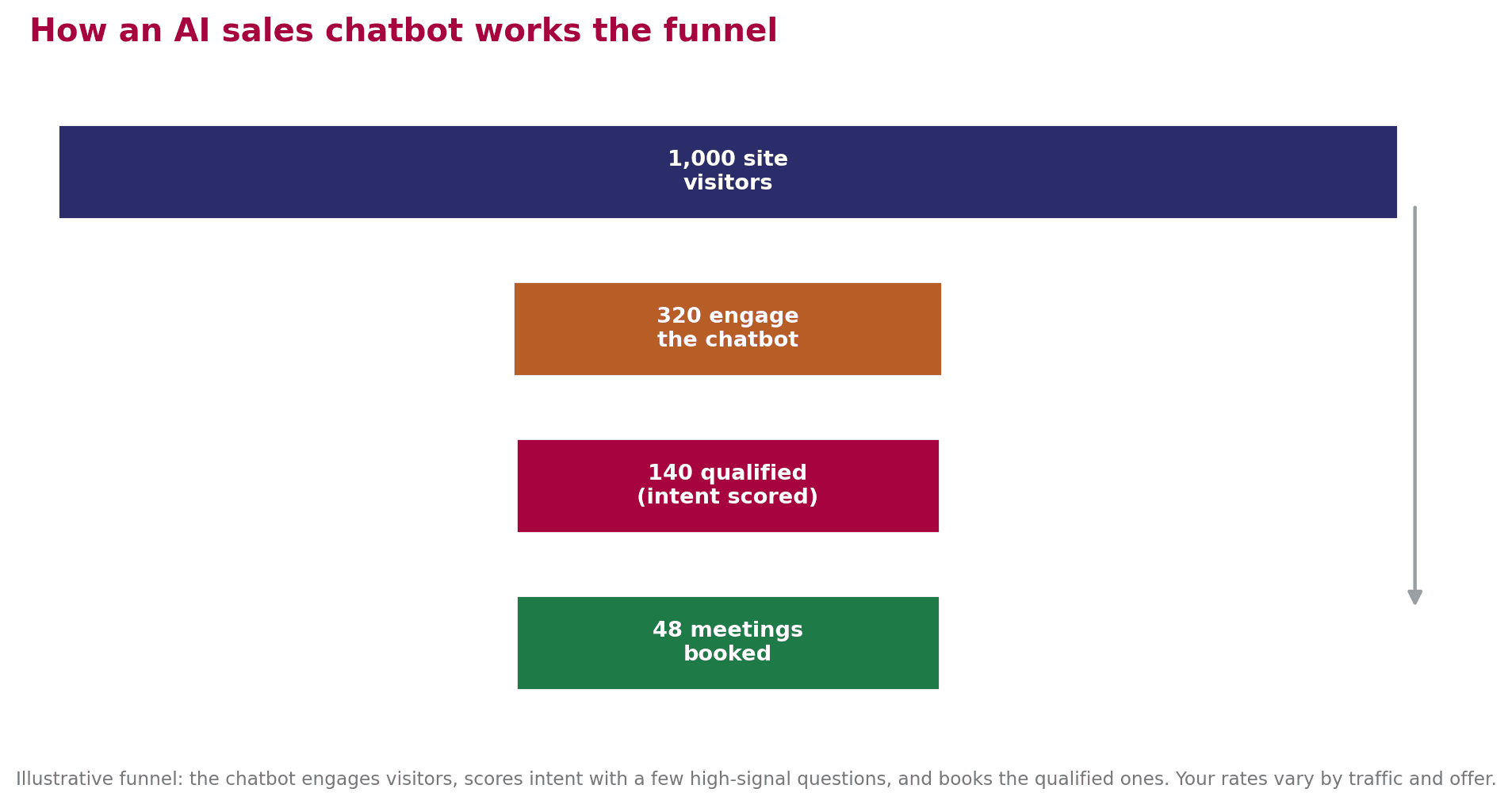
Figure 1. How an AI sales chatbot works the funnel.
- Engages instantly on high-intent pages (pricing, product, demo) - in real time, 24/7.
- Asks 3–4 high-signal questions that check need, fit, budget, and timing.
- Scores intent against your ideal-customer profile to separate buyers from browsers.
- Routes high-intent leads to a rep; sends lower-intent ones into nurture.
- Books the meeting and syncs the lead + conversation to your CRM.
The high-signal questions to ask
The rule from teams who do this well: ask only what changes the routing decision. Three or four questions beat a ten-field interrogation that visitors abandon. A reliable framework - and you can qualify leads against your own criteria:
- Need - "What are you trying to solve?" (intent + use case)
- Fit - role, company size, industry (matches your ICP?)
- Budget - is a budget owner involved? (seriousness)
- Timing - "When do you need this live?" (urgency)
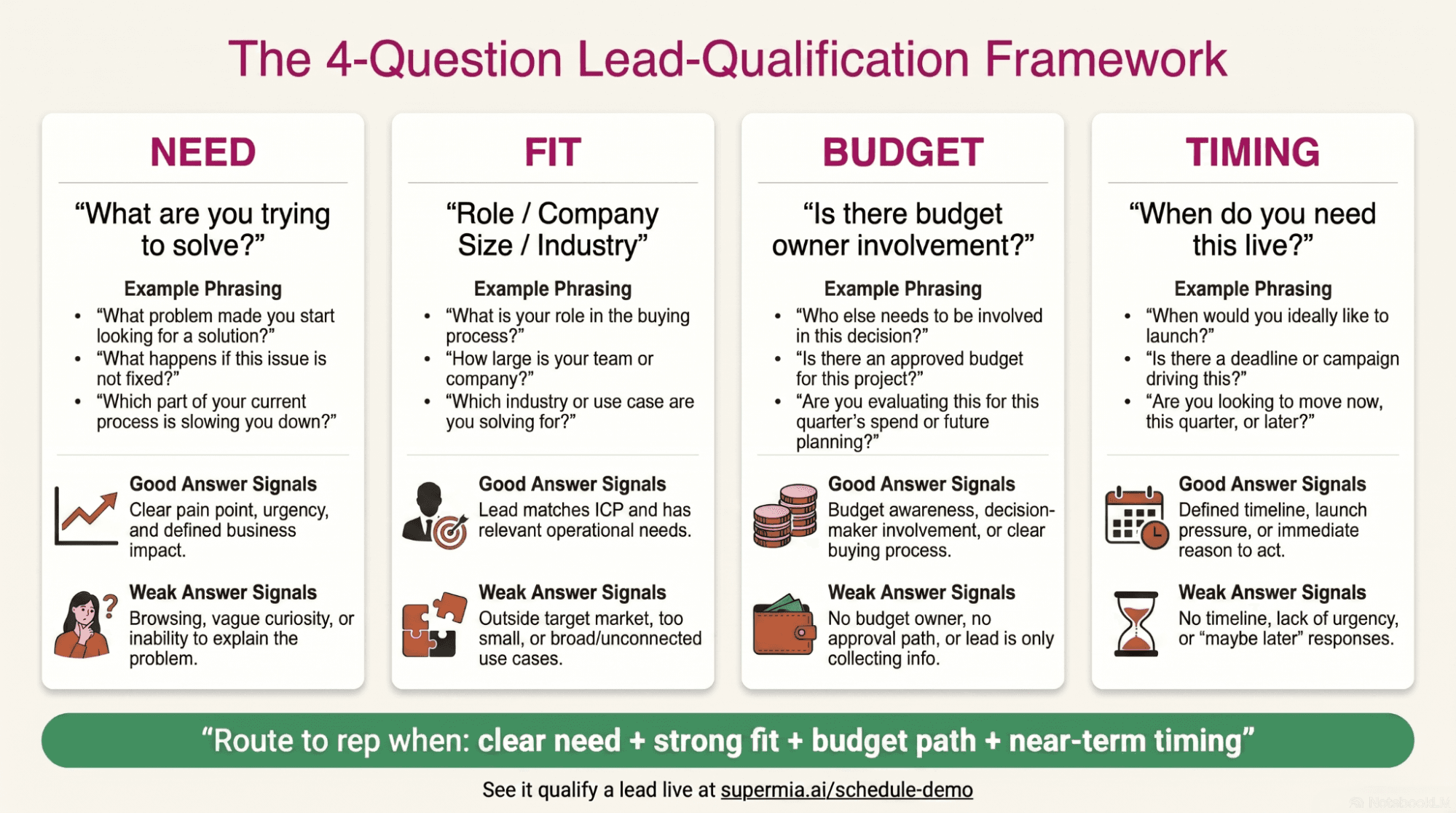
The 4-question lead-qualification framework.
Intent scoring and routing to the right rep
Qualification only pays off if the right lead reaches the right person fast. A sales chatbot scores each conversation - using the answers plus behavior like which pages they viewed - and routes accordingly: hot leads to a rep (or straight to a booked meeting), warm leads to nurture, poor-fit leads filtered out so reps aren't chasing them. Per Gartner, that consistent, instant routing is exactly where AI helps sales most. This is the same engine behind AI lead generation for real estate investors, just applied to any inbound funnel.
Scoring works best when it blends two signals: what the visitor said and what the visitor did. The answers tell you fit and intent; the behavior tells you seriousness. A visitor who reads two pricing pages, opens the comparison table, and then asks "can this integrate with Salesforce?" is a different lead than someone who lands on the blog and types "what is this?" A well-tuned AI chatbot weights both, so a strong-fit answer paired with high-intent browsing jumps the queue, while a strong answer with no buying behavior waits in nurture until it heats up.
A concrete example makes the mechanics obvious. Say a SaaS team gets 1,000 monthly visitors to its pricing page. Roughly 320 engage the chatbot; it asks the four questions, scores each thread, and surfaces 140 qualified leads. Of those, the 48 hottest - budget owner involved, timeline inside 90 days, clean ICP fit - are routed straight to a calendar booking with the right rep. The remaining 92 enter a nurture track that the rep never has to babysit. The rep's day goes from "dig through a form-fill spreadsheet" to "show up to 48 pre-qualified meetings." That is the entire value: not more leads, but the right leads reaching the right person while intent is still warm.
Routing rules should be explicit and owned by the sales team, not buried in a vendor's black box. Decide up front which answers send a lead to enterprise vs. SMB reps, which trigger an instant booking vs. a callback, and what the fallback is when no rep is available - a chatbot that books into a shared round-robin calendar beats one that drops the lead into a queue nobody checks until Monday.
Booking meetings: why speed-to-lead wins
Here's the part most teams underestimate. The odds of qualifying a lead fall off a cliff with every minute of delay - lead-response research has shown this for years. By the time a rep calls back, the buyer has often already booked with whoever answered first. A chatbot answers instantly and books on the spot, while intent is at its peak.
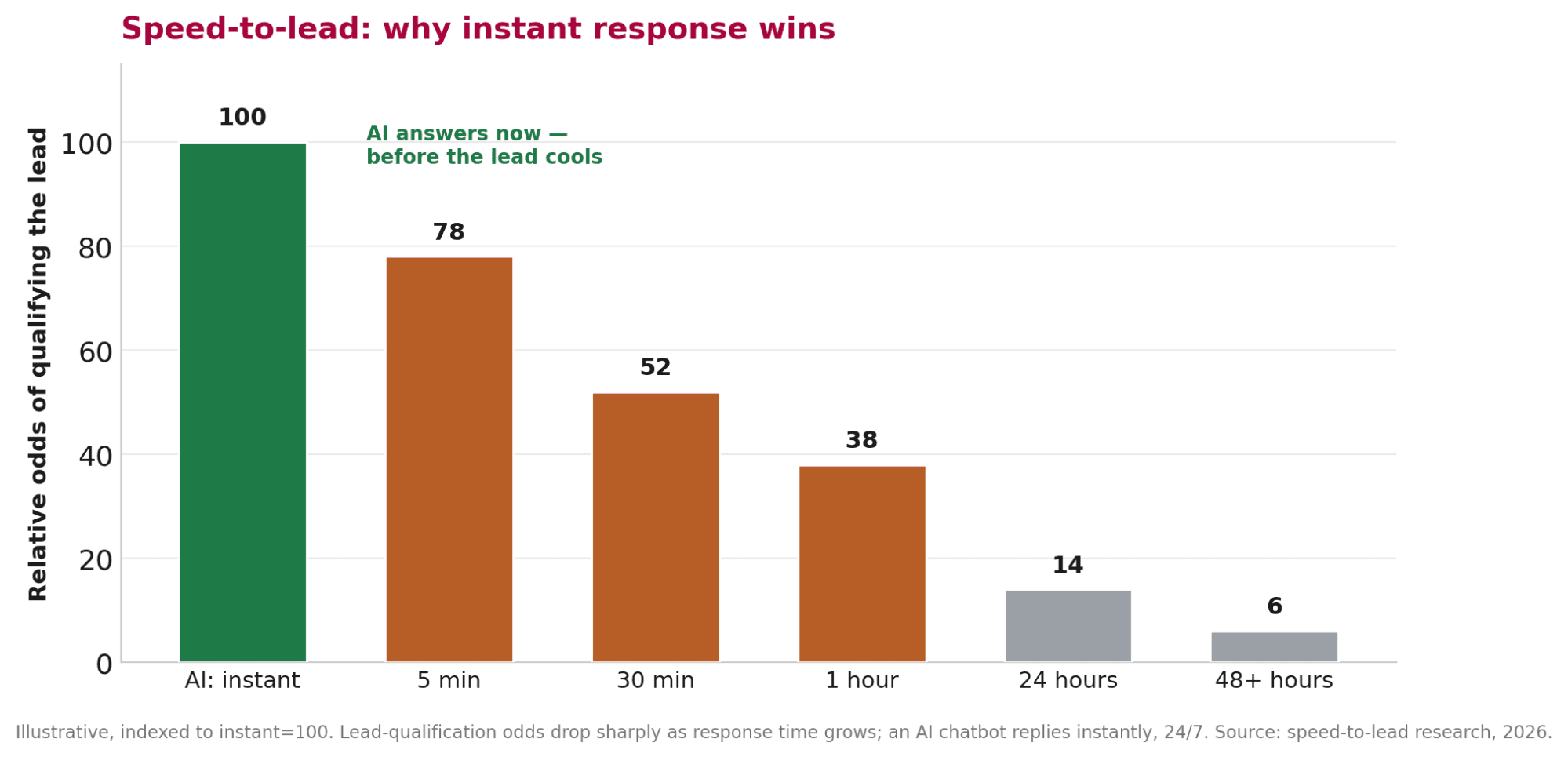
Figure 2. Speed-to-lead: why instant response wins.
Chatbot vs. a static web form
A form is a one-way drop box: the visitor fills fields and waits. A chatbot has a conversation - it asks follow-ups, answers objections, qualifies on the spot, and books. That's why conversational capture typically outperforms a static form across the board.
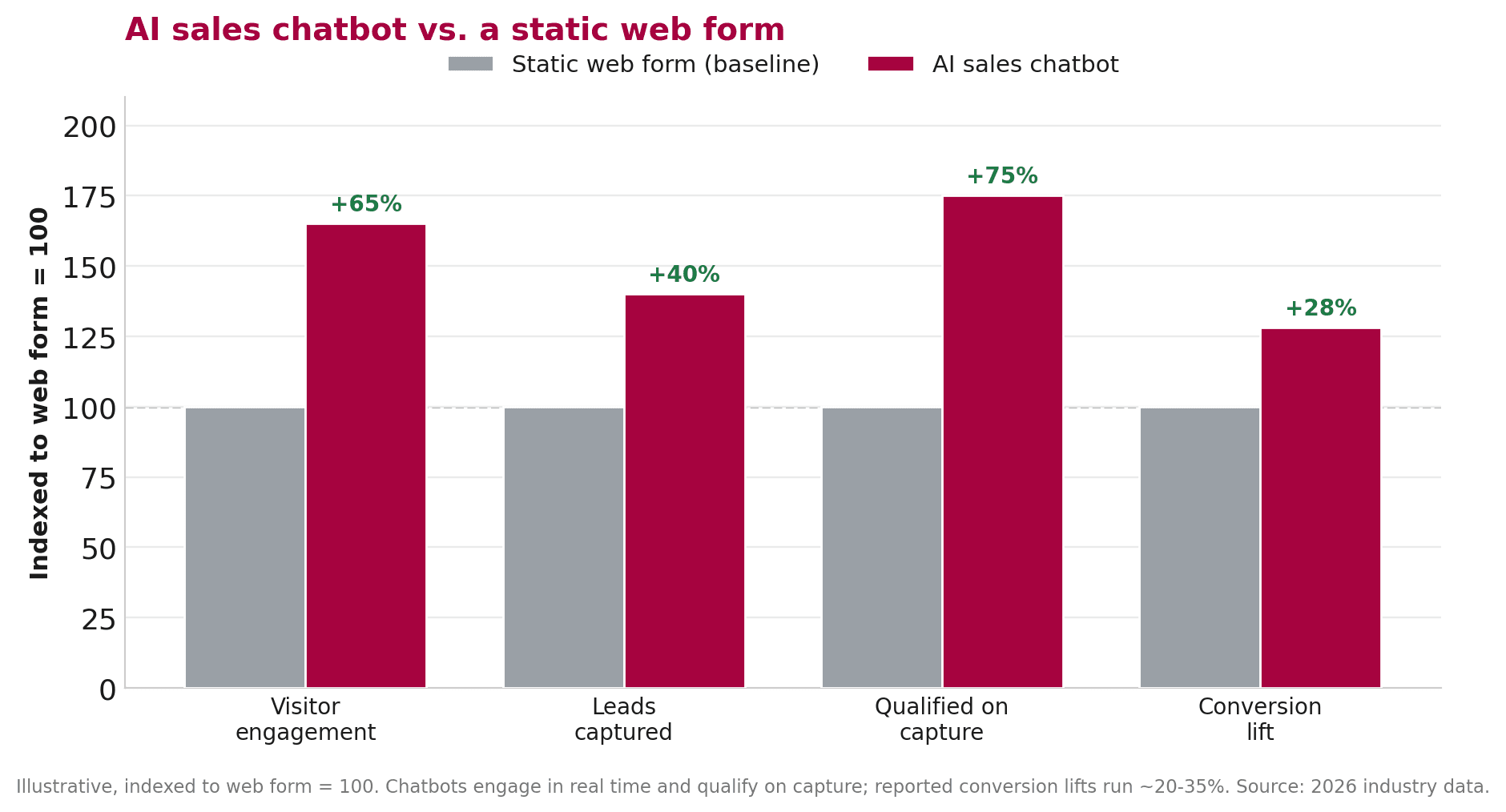
Figure 3. AI sales chatbot vs. a static web form.
Across the industry, conversational engagement is reported to lift conversions by roughly 20–35% over static forms. Treat that as directional - your lift depends on traffic quality and offer - but the direction is consistent.
What a sales chatbot should NOT do
Honest expectations make for happy buyers. A sales chatbot is the wrong tool for:
- Complex negotiation or multi-stakeholder deals - that's rep territory.
- Bespoke or custom pricing - it should route those to a human, not guess.
- Legal, compliance, or contract questions - escalate, don't answer.
- Replacing your sales team - it warms leads up; people close them.
The failure mode to avoid is a bot that fakes competence past its limits. A chatbot that invents a discount, guesses at a contract term, or pretends a feature exists doesn't just lose the deal - it creates a cleanup job for the rep and erodes trust before the first call. The teams who get the most out of an AI sales chatbot set a hard rule: when a question crosses into pricing exceptions, legal, or anything the bot isn't certain about, it says so plainly and hands the visitor to a human with the full conversation attached. A confident "let me get the right person on this" beats a wrong answer every time.
How to deploy one (and where SuperMIA fits)
Start where intent is highest: put the chatbot on your pricing, product, and demo pages, give it 3–4 qualifying questions, connect your calendar and CRM, and set clear routing and escalation rules. It helps to treat the bot as one layer of a broader conversational AI platform - the same system that powers your support and voice channels - so qualification, handoff, and reporting all live in one place instead of a bolt-on widget. A custom AI agent trained on your data can do this in your brand voice - qualifying against your criteria, booking meetings, and syncing to your CRM - and we publish transparent pricing. The fastest way to judge fit is to watch it work: see it qualify a lead live.
See it qualify a lead live.
Watch the chatbot engage, qualify, score, and book - on your own pages.
Book a demo →Frequently asked questions

Harikrishna Patel
Harikrishna Patel is the founder of MIA – My Intelligent Assistant, the AI automation platform built under Botfinity Inc. in Dallas, Texas. With 15+ years in software engineering, AI/ML, and enterprise solution design, he focuses on creating practical, scalable AI tools that help businesses automate support, workflows, and operations through voice and chat.