
Table of Contents
- What is an enterprise AI chatbot?
- What actually changes at scale
- The six things that separate enterprise from scaled-up SMB
- Escalation architecture: chatbot to agent to human
- Governance, security and compliance at scale
- Observability, drift and the day after launch
- How to evaluate an enterprise platform
- Frequently asked questions
Quick Answer
An enterprise AI chatbot is an AI-native platform built to automate customer and employee conversations at scale, with security, compliance, deep integration, governance, and graceful escalation built in. What changes from an SMB bot is not the easy queries; it is everything around them: governance, integration depth, escalation design, and observability all move from optional to mandatory.
Key takeaways
- Enterprise scale changes the requirements around the chatbot: governance, security, integration, escalation, and observability.
- The architecture that holds up is a three-tier escalation path: chatbot, AI agent, then human.
- Six capabilities separate genuine enterprise platforms from scaled-up SMB tools.
- Most deployments break at escalation seams and governance gaps, not on FAQ accuracy.
- Verify every security and compliance claim directly with the vendor because published lists can lag reality.
What is an enterprise AI chatbot?
An enterprise AI chatbot is a conversational AI platform built for large organizations to automate customer and employee interactions at scale, with enterprise-grade security, compliance, deep integrations, governance, and omnichannel reach built in from the start. It is still an AI chatbot at the surface - visitors type, it answers - but the engineering behind it is a different category. The vocabulary has gotten muddy, so it helps to start with the difference between chatbot vs. AI agent vs. voice agent.
The short version: an enterprise chatbot is the front door of a system that is built for enterprise-scale requirements, not a bigger FAQ bot.
What actually changes at scale
Here is the thing teams underestimate: the chatbot answering common questions is the easy part, and it is roughly the same whether you have 100 conversations a month or a million. What changes is everything around it.
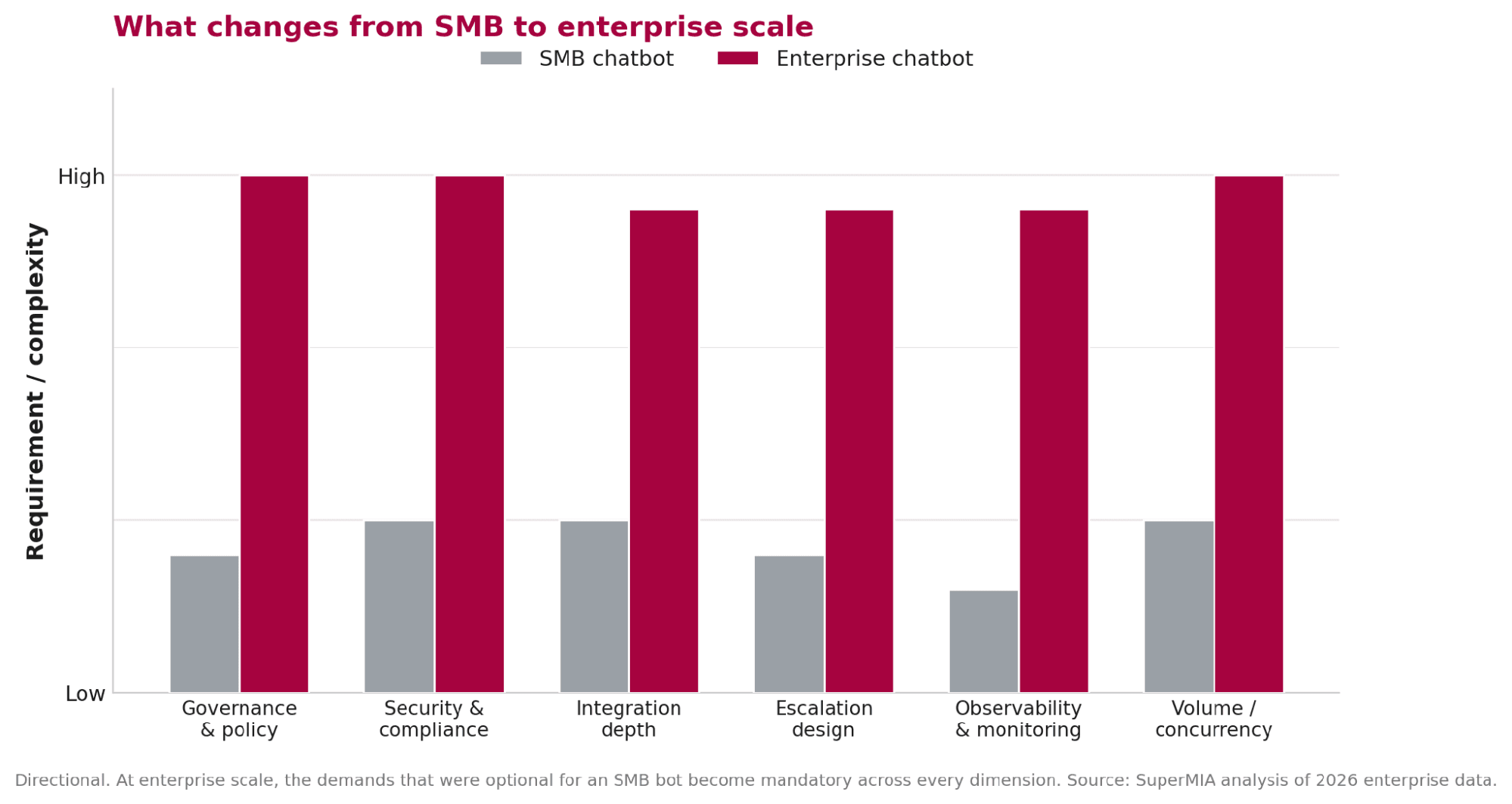
Figure 1. What changes from SMB to enterprise scale.
| What barely matters for an SMB bot | What becomes mandatory at enterprise scale |
|---|---|
| Basic FAQ accuracy | Governance and policy enforcement |
| A single integration | Deep CRM, ERP, SSO, and helpdesk integration |
| Email fallback | A governed three-tier escalation path |
| Set-and-forget launch | Observability and drift management |
Governance, security and compliance, integration depth, escalation design, and observability all move from nice-to-have to mandatory. Volume and concurrency climb, model drift becomes a real risk, and the decision starts to look less like buying a tool and more like build vs. buy at enterprise scale.
The pattern across enterprise deployments is consistent: the chatbot that scales and the one that collapses under production load differ not in how well they answer easy questions, but in the architecture and governance built in before launch.
The six things that separate enterprise from scaled-up SMB
Vendors love the word enterprise. These six capabilities are what actually back it up:
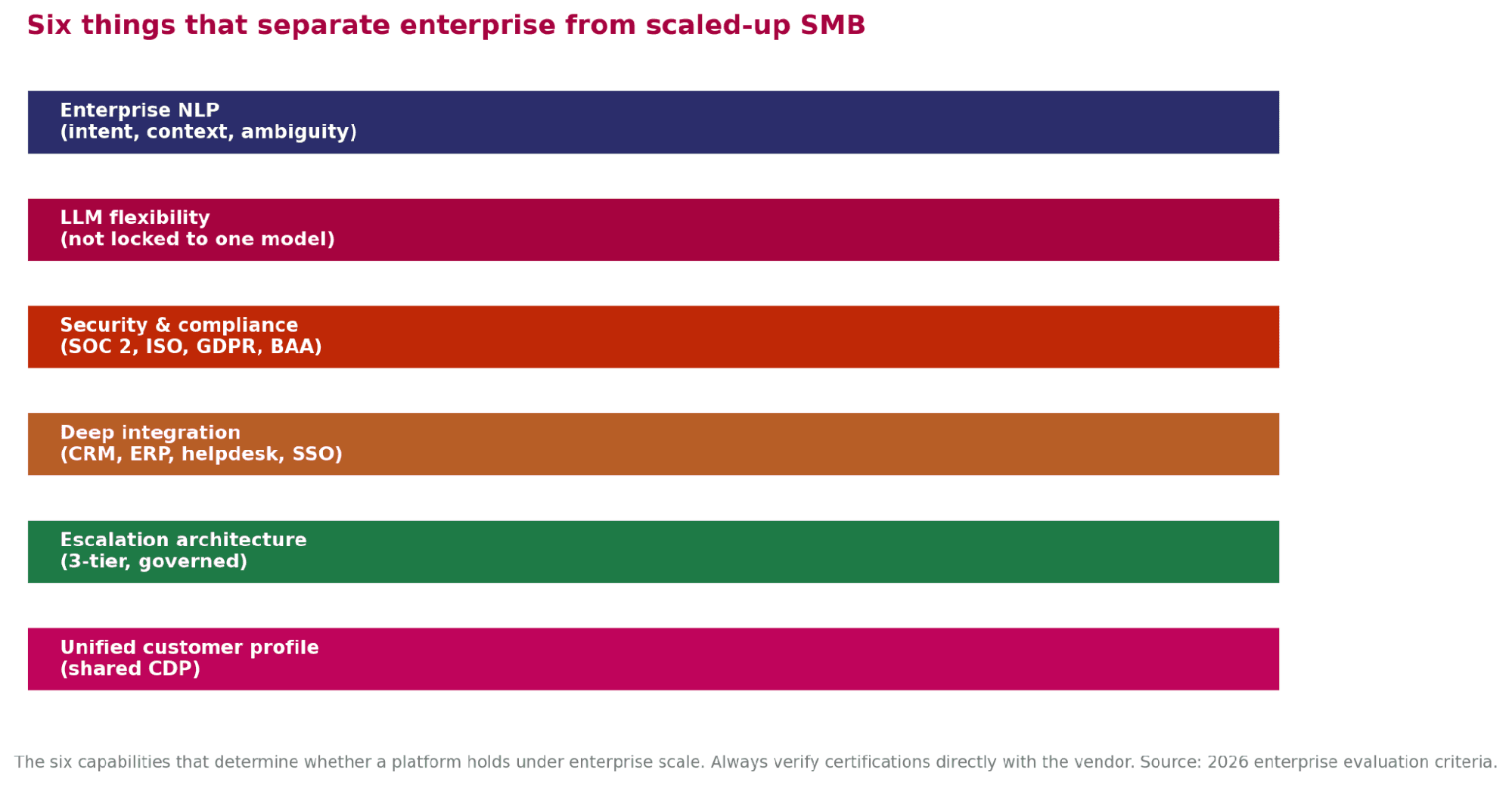
Figure 2. Six things that separate enterprise from scaled-up SMB.
- Enterprise NLP - intent detection that handles variation, context, and ambiguity, not keyword matching dressed up as AI.
- LLM flexibility - can you connect your preferred model, or are you locked into one vendor?
- Security and compliance - SOC 2, ISO 27001, GDPR, and HIPAA where relevant, all verified with the vendor.
- Deep integration - real-time connection to CRM, ERP, helpdesk, and SSO, not a one-off webhook.
- Escalation architecture - a governed path from chatbot to agent to human.
- Unified customer profile - a shared data layer so every interaction sees the same context.
Why these six and not a longer list? Because each one is a place where a scaled-up SMB tool quietly fails under enterprise load. Enterprise NLP is the difference between a bot that understands "I was double-charged last month and need it reversed before payroll" and one that pattern-matches the word "charge" and opens a billing FAQ. LLM flexibility matters because model pricing, latency, and capability shift every few months; a platform that locks you to a single model locks you out of those gains. The remaining four - security, integration, escalation, and a unified profile - are the ones procurement, IT, and security teams will actually block a purchase over, so treat them as gating, not nice-to-have.
It is worth scoring an enterprise AI chatbot on all six even if a vendor only markets two or three loudly. Analysts who track this market, including Forrester, consistently find that the gap between a successful enterprise deployment and a stalled one shows up in the unglamorous capabilities - governance, integration depth, and escalation - rather than in demo-friendly answer quality.
Escalation architecture: chatbot to agent to human
This is where most enterprise deployments actually break: not on the easy queries, but on what happens when a query exceeds the bot's capability. The architecture that holds up is three tiers:
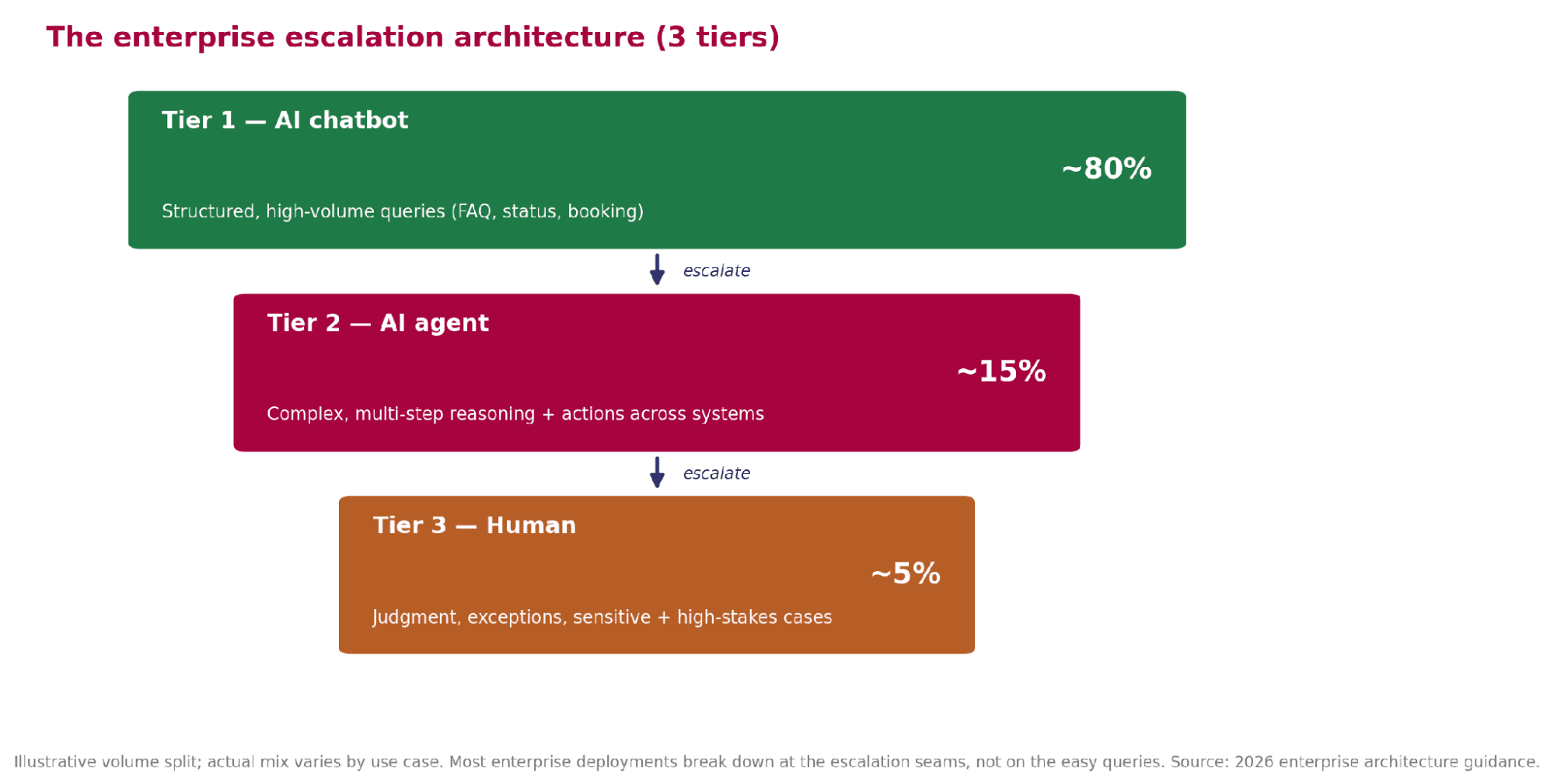
Figure 3. The enterprise escalation architecture.
The chatbot handles high-volume structured queries, an AI agent handles complex multi-step reasoning and actions across systems, and a human handles judgment, exceptions, and sensitive cases. Per Gartner, designing those handoff paths and governing them is where enterprise value and risk concentrate.
Governance, security and compliance at scale
At enterprise scale, governance is less about optimization and more about control. Loosely connected bots and agents create unpredictability, so policy enforcement, guardrails, and access controls have to be designed in from day one, not bolted on. Frameworks like the NIST AI Risk Management Framework give teams a structure for this.
On security, look for encryption in transit and at rest, role-based access, audit logging, SSO, and relevant certifications. Our guide to how compliance works in practice shows what real compliance looks like beyond a badge.
The rule that protects you: always verify exact certifications directly with the vendor's compliance team before procurement. Published lists lag actual status, and enterprise-grade on a marketing page is not a certification. Ask for the documentation.
Observability, drift and the day after launch
Launch is the starting line, not the finish. The day after you go live, you have thousands of real conversations to analyze and three things to watch:
- Missed intents - users asking for things you never anticipated.
- Frustration signals - requests for a human or negative sentiment; each is a fix waiting to happen.
- Model drift - products and policies change; without a knowledge-update process, the bot slowly goes stale.
This is why enterprise teams instrument observability from day one rather than treating it as a reporting afterthought. You cannot govern or improve what you cannot see.
Concretely, observability at enterprise scale means three layers of instrumentation. First, conversation-level logging: every turn captured, searchable, and tied to the customer profile so a missed intent is one query away, not a needle in a haystack. Second, aggregate dashboards: containment rate, escalation rate, sentiment trend, and resolution time tracked weekly so drift shows up as a line bending the wrong way before it becomes a complaint queue. Third, a feedback loop into the knowledge base: when the bot misses, that gap should become a tracked ticket with an owner, not a note someone forgets. Research from McKinsey on enterprise AI adoption repeatedly points to this operating discipline - measurement plus a closed improvement loop - as the dividing line between AI pilots that scale and ones that quietly stall after launch.
The organizational version of this matters too. Decide before launch who owns the bot's performance: a named team that reviews the dashboards, triages missed intents, and ships knowledge updates on a cadence. A chatbot without an owner drifts the same way an unmaintained codebase rots - slowly, then all at once.
How to evaluate an enterprise platform (and where SuperMIA fits)
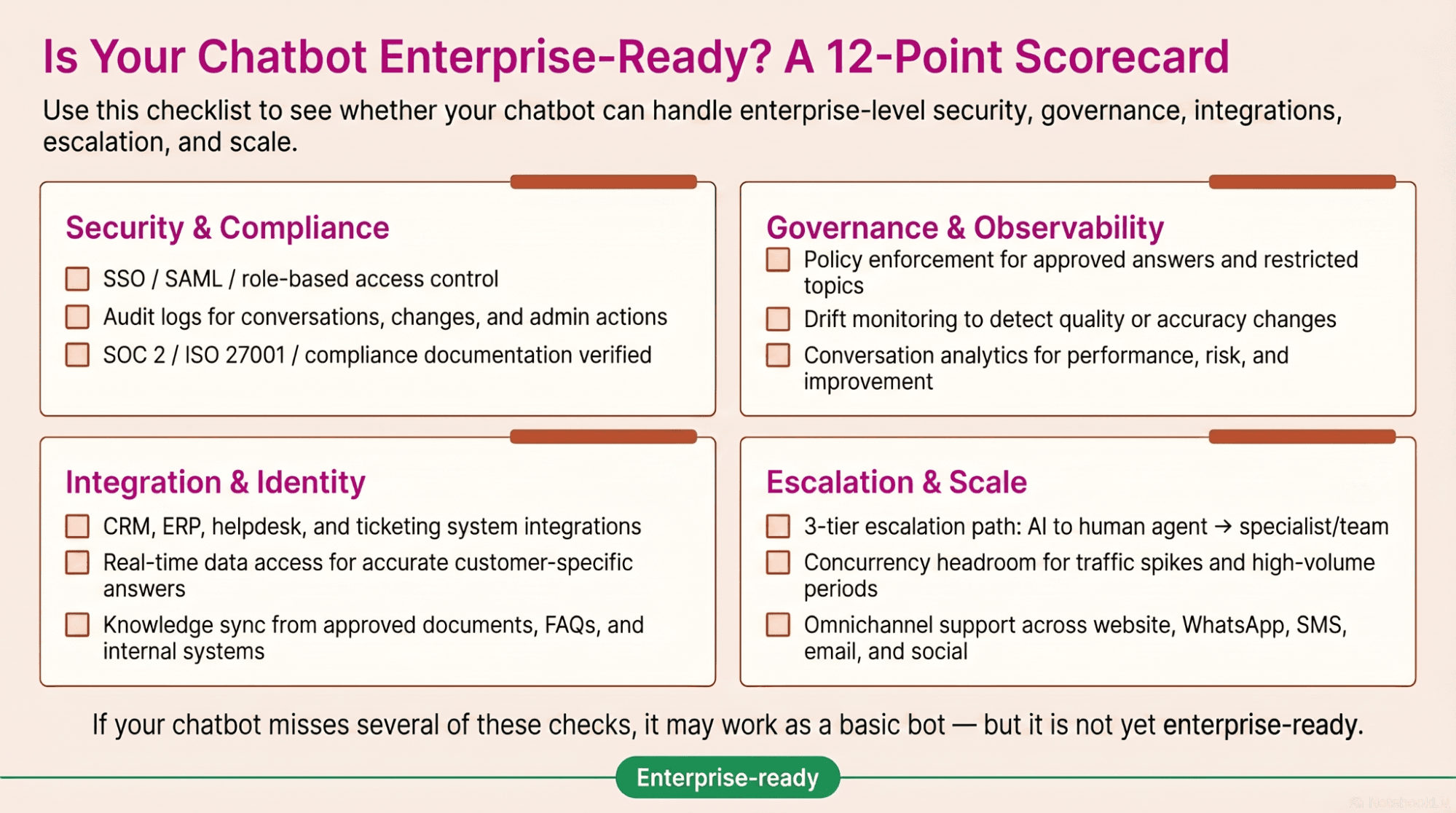
Score platforms against the six criteria, insist on a real escalation architecture, confirm the integrations you actually need, and verify every security and compliance claim in writing. The SuperMIA platform is designed for enterprise-scale requirements: deep integrations, governed escalation, and omnichannel reach. A custom AI agent trained on your data sits on top of it, and the same foundation runs your support AI chatbot and voice channels so governance and reporting stay unified rather than scattered across point tools.
On budget, enterprise pricing should map to value and volume, not to a per-seat license that punishes you for scaling - ask any vendor to model your real concurrency and escalation mix, and compare it against our transparent pricing rather than a quote that only appears after three sales calls. A useful procurement test: a serious enterprise vendor can put numbers and documentation in front of you early; one that can't is a risk you'll feel after signing.
We would rather you hold us to the checklist above than take an enterprise-grade label on faith, so bring your hardest scale and security questions.
Talk to our team about scale.
Bring your hardest governance, integration, and escalation questions.
Book a demo →Frequently asked questions

Harikrishna Patel
Harikrishna Patel is the founder of MIA – My Intelligent Assistant, the AI automation platform built under Botfinity Inc. in Dallas, Texas. With 15+ years in software engineering, AI/ML, and enterprise solution design, he focuses on creating practical, scalable AI tools that help businesses automate support, workflows, and operations through voice and chat.